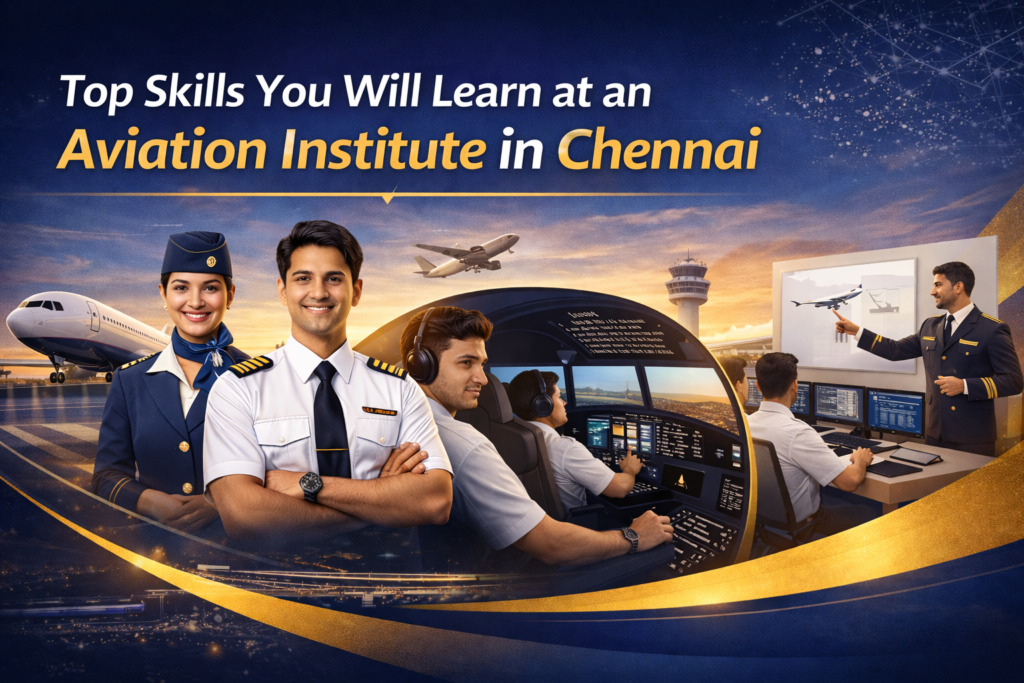
Why Choosing the Right Aviation Academy in Chennai Matters for Career Success
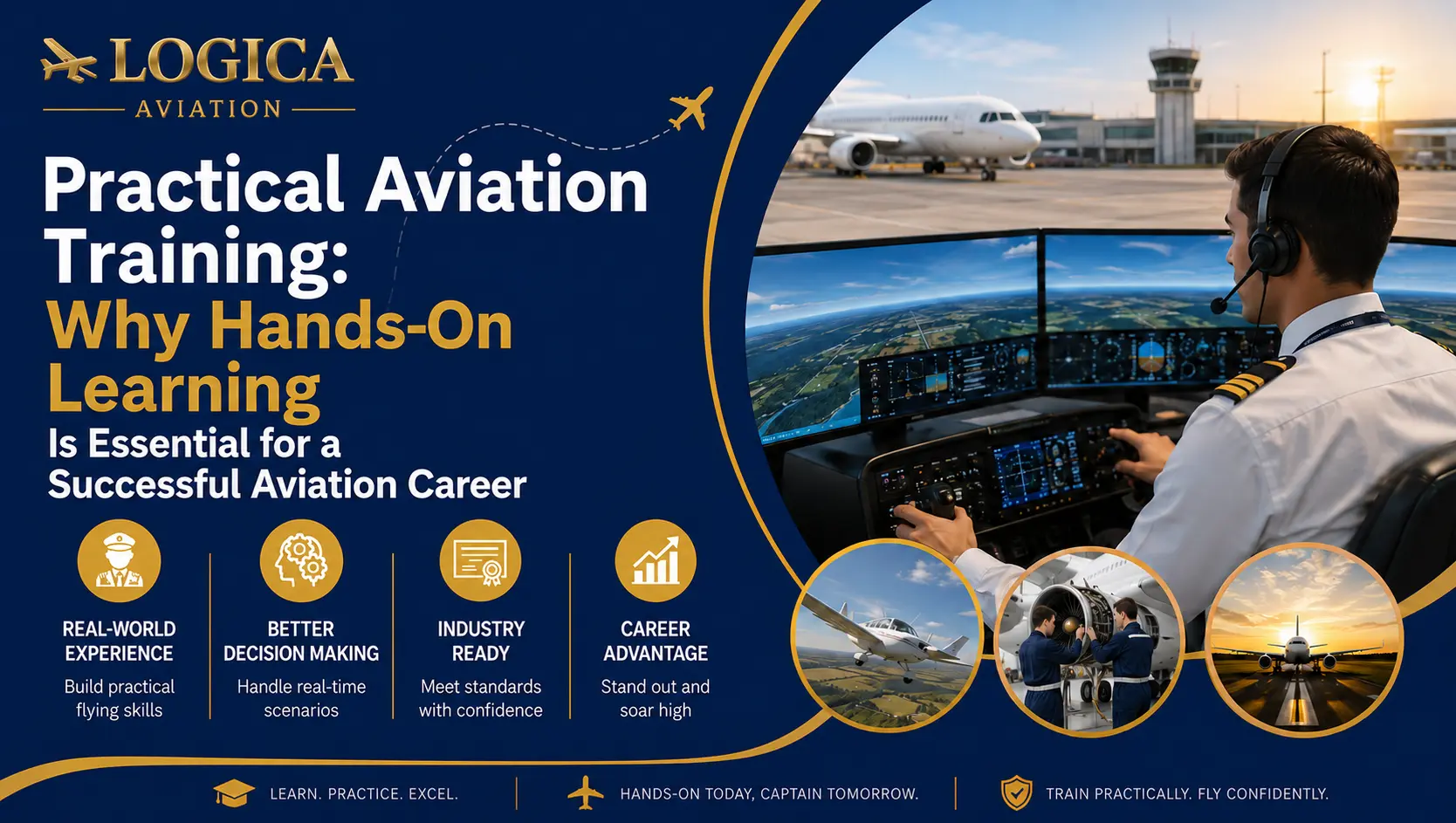
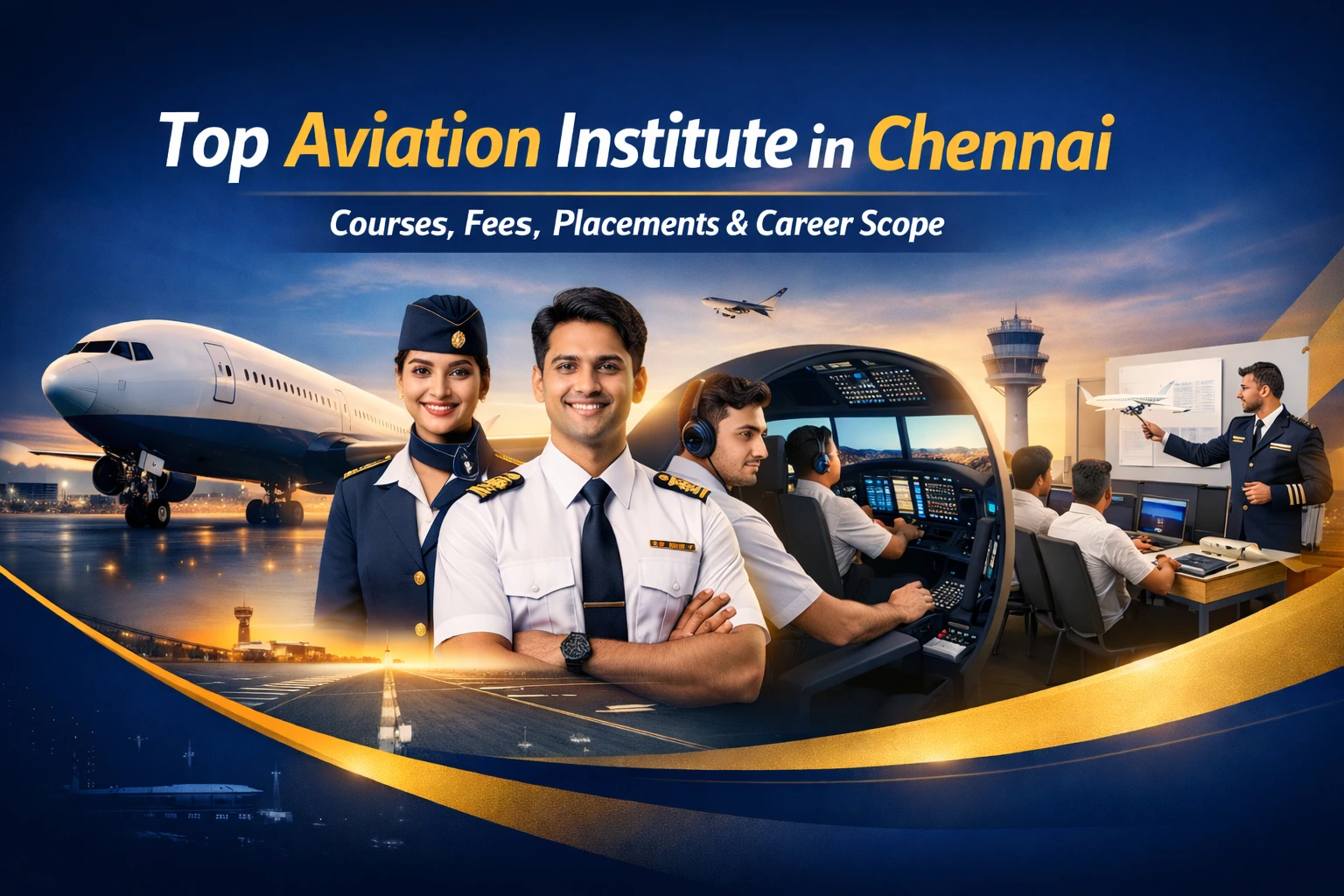
IntroductionChoosing the Best Aviation Academy in Chennai is one of the most important decisions for building a successful career in the aviation industry. With India's aviation sector expanding rapidly, students often struggle to identify institutes that offer quality training, practical exposure, and strong placement support. According to the International Air Transport Association (IATA), India is expected to become the world's third-largest air passenger market, while Boeing's 2024 Pilot and Technician Outlook projects a need for 129,000 new aviation professionals in South Asia by 2043, including pilots, technicians, and cabin crew. These figures highlight the growing demand for skilled talent. Choosing the right academy equips students with industry-relevant skills, certifications, and career opportunities, laying a solid foundation for long-term success in aviation.What Makes the Best Aviation Academy in Chennai?The Best Aviation Academy in Chennai combines quality education, practical training, experienced faculty, and dedicated placement support to prepare students for successful and rewarding aviation careers. As India's aviation industry continues to expand rapidly, the demand for skilled professionals across airlines, airports, and aviation service companies continues to grow. According to Boeing's 2024 Pilot and Technician Outlook, South Asia will require 129,000 new aviation personnel by 2043, including pilots, cabin crew, and maintenance technicians. The Best Aviation Academy in Chennai meets this growing demand by offering industry-focused courses, modern training facilities, hands-on practical sessions, personality development, and career guidance. Choosing a Leading Aviation Institute in Chennai helps students build confidence, develop job-ready technical and communication skills, and secure excellent career opportunities in airlines, airports, aviation hospitality, ground operations, and customer service.Industry-Experienced TrainersOne of the biggest strengths of the Best Aviation Academy in Chennai is its team of industry-experienced trainers. Learning from professionals who have worked with leading airlines, airports, and aviation organizations gives students practical knowledge and real-world insights that go far beyond classroom learning. Trainers share industry best practices, real-life case studies, interview techniques, passenger handling methods, safety procedures, and customer service standards that employers value. According to the World Economic Forum, practical, industry-relevant skills remain among the most important factors for long-term employability. A Premier Aviation Institute helps students stay updated with current aviation regulations, airline expectations, and emerging industry trends. The Best Aviation Academy in Chennai also focuses on communication skills, personality development, teamwork, and professional confidence through expert mentoring. Experienced trainers guide students at every stage, helping them become job-ready and well-prepared for successful careers in airlines, airports, and aviation services.Placement AssistanceThe Best Aviation Academy in Chennai provides dedicated placement assistance that helps students transition smoothly from training to employment with confidence. Career support includes resume building, interview preparation, personality development, communication skills, aptitude training, and recruiter connections, improving students' chances of securing aviation jobs with leading airlines and airports. Students also receive career guidance and one-on-one mentoring to prepare for the recruitment process.Placement support typically includes:Resume writing and profile enhancementMock interviews with industry expertsAirline and airport recruitment drivesCommunication and personality development sessionsCareer counseling and job application supportGroup discussion and interview practiceSoft skills and professional etiquette trainingThe Best Aviation Academy in Chennai focuses on creating job-ready professionals by combining industry-focused training with strong placement support. Students gain the confidence, practical knowledge, and interview skills needed to secure rewarding careers in cabin crew, airport operations, customer service, ground handling, aviation hospitality, and other aviation-related roles.Practical Training and SimulationsThe Aviation Training Center in Chennai emphasizes practical training because aviation employers expect candidates to perform confidently in real-world situations from day one. Students participate in cabin crew simulations, airport check-in procedures, emergency drills, passenger service exercises, airline ticketing practice, and professional grooming sessions that closely replicate actual airline operations. For example, trainees practice boarding announcements, baggage handling, passenger assistance, conflict resolution, and customer service using realistic airport and aircraft cabin setups. They also learn emergency evacuation procedures, safety protocols, and teamwork through guided simulation exercises. According to the International Civil Aviation Organization (ICAO), competency-based practical training strengthens operational readiness and aviation safety standards. An Aviation Training Institute in Chennai combines classroom learning with extensive hands-on experience, helping students build confidence, develop industry-ready skills, and prepare for successful careers in airlines, airports, and aviation services.Courses Offered by the Best Aviation Academy in ChennaiThe Best Aviation Academy in Chennai offers career-focused programs designed to prepare students for the rapidly growing aviation industry. Popular courses include Cabin Crew Training, Airport Management, Ground Staff Training, Aviation Hospitality, Airline Ticketing, and Customer Service. According to IATA, global air passenger demand continues to increase, creating strong demand for skilled aviation professionals across airlines and airports. Professional aviation courses in Chennai combine classroom learning with hands-on practical training, industry-relevant simulations, and personality development sessions to help students become job-ready. Students also develop communication, customer service, and operational skills that employers value. These comprehensive courses improve employability and prepare graduates for rewarding careers with airlines, airports, aviation service providers, and airport ground handling companies in India and abroad.Cabin Crew TrainingThe Best Aviation Academy in Chennai offers comprehensive Cabin Crew Training that prepares students for successful careers with domestic and international airlines. The program covers passenger safety, emergency procedures, in-flight service, first aid, communication skills, customer service, grooming standards, and professional etiquette. Students also participate in realistic cabin simulations, safety demonstrations, and role-play exercises to build confidence and professionalism. According to Boeing's 2024 Pilot and Technician Outlook, demand for aviation professionals will continue to rise across South Asia, creating excellent career opportunities. By joining a Best Aviation Academy in Chennai, students gain practical skills, interview preparation, personality development, and placement support that improve their chances of becoming successful cabin crew members. The course also helps students develop leadership, teamwork, and problem-solving abilities, making them job-ready for the fast-paced aviation industry.Airport Management CourseThe Best Aviation Academy in Chennai offers a comprehensive Airport Management Course designed to prepare students for airport operations, airline services, and customer-facing roles. The course combines theoretical knowledge with practical training to help students understand airport procedures, passenger handling, airline ticketing, safety regulations, and operational management. Students also develop communication, teamwork, and problem-solving skills that are essential for working in busy airport environments.Course AreaSkills LearnedAirport OperationsDaily airport managementPassenger HandlingCustomer service & check-inAirline TicketingReservation systemsSafety & SecurityAviation safety proceduresCareer SupportInterview & placement guidanceThe Best Aviation Academy in Chennai also provides hands-on learning, industry exposure, and placement support, helping students build confidence and prepare for rewarding careers with airlines, airports, and aviation service providers.Communication & Grooming SkillsThe Best Aviation Academy in Chennai develops strong communication and grooming skills because airlines look for confident, professional, and customer-focused candidates. Students improve spoken English, body language, interview techniques, personality development, and workplace etiquette through structured training. For example, they practice greeting passengers, handling customer queries, resolving travel concerns, and maintaining a professional appearance during mock interviews and role-play sessions. These practical exercises help students communicate clearly and confidently in real-world situations. The Aviation Training Centre in Chennai also prepares students to meet airline grooming standards, build a positive first impression, and develop the interpersonal skills required for successful careers in airlines, airports, and aviation hospitality.Benefits of Studying at the Best Aviation Academy in ChennaiStudying at a Best Aviation Academy in Chennai gives students the skills, confidence, and industry exposure needed to build a successful aviation career. The academy combines practical training, experienced instructors, modern learning facilities, and dedicated placement support to improve job readiness. According to an aviation training centre in Chennai, South Asia will require 129,000 new aviation professionals by 2043, creating excellent career opportunities across airlines, airports, and aviation services. An Aviation Training Centre in Chennai prepares students through hands-on learning, communication and grooming sessions, personality development, and industry-oriented training. This comprehensive approach helps students gain professional confidence, meet employer expectations, and secure rewarding careers in cabin crew, airport operations, customer service, aviation hospitality, and other aviation-related roles.Higher Placement OpportunitiesThe Aviation Training Center in Chennai increases students' placement opportunities through industry-focused training, practical learning, and dedicated career support. Students receive guidance on resume writing, interview preparation, personality development, communication skills, and group discussion techniques to improve their employability. Many institutes also organize campus recruitment drives, career counseling sessions, and networking opportunities with leading airlines, airports, and aviation service companies. As India's aviation industry continues to expand, employers actively seek candidates with practical knowledge, strong communication skills, and professional confidence. Choosing a Leading Aviation Institute in Chennai helps students become job-ready, build industry-relevant skills, and improve their chances of securing rewarding roles in cabin crew, airport operations, customer service, aviation hospitality, and airline ground services.Global Career OpportunitiesThe Aviation training center in Chennai prepares students for aviation careers in India and abroad. International airlines value candidates with professional training, Aviation training center in Chennai communication skills, and practical experience.Career opportunities include:International airline cabin crewAirport operations executiveAviation customer service professionalAirline ground staffAviation hospitality specialistAirport lounge executiveThe Aviation Training Centre in Chennai equips students with globally relevant skills, making it easier to explore career opportunities with leading airlines and international airports.Internship ProgramsThe Aviation Training Centre in Chennai offers internship programs that give students valuable industry experience before graduation. These internships help students understand airport operations, airline procedures, customer service, and workplace responsibilities in real-world environments. For example, students may assist passengers at airport check-in counters, support customer service teams, coordinate boarding procedures, or handle basic airline ticketing tasks. Some internships also provide exposure to airport hospitality, baggage handling, and passenger assistance. The Aviation Training Centre in Chennai combines classroom learning with hands-on industry experience, helping students build confidence, strengthen their resumes, improve professional skills, and enhance their employment prospects with airlines, airports, and aviation service companies.Career Opportunities After Completing Aviation TrainingCompleting a course at the Aviation Training Centre in Chennai opens the door to diverse careers in the aviation industry. Graduates can work as cabin crew, ground operations executives, airport customer service executives, cargo operations executives, and airline hospitality professionals. According to Boeing's 2024 Pilot and Technician Outlook, South Asia will require 129,000 new aviation professionals by 2043, reflecting strong industry demand. The Best Aviation Academy in Chennai equips students with practical skills, industry knowledge, and placement support, helping them secure rewarding careers with airlines, airports, and aviation service providers.Cargo Operations ExecutiveA Cargo Operations Executive manages the safe handling, storage, tracking, and movement of goods through airports while ensuring every shipment follows aviation safety standards. Students trained at an Aviation Training Centre in Chennai learn cargo documentation, shipment tracking, logistics coordination, inventory management, customs procedures, and cargo safety regulations. They develop the skills needed to ensure goods reach their destinations accurately and on schedule. As global trade, e-commerce, and air freight continue to grow, airlines and cargo companies require skilled professionals to manage efficient cargo operations. A Leading Aviation Institute in Chennai equips students with practical training, real-world industry knowledge, and operational experience, creating excellent career opportunities in airline cargo services, airport logistics, freight management, and supply chain operations.Ground Operations ExecutiveThe Aviation Training Centre in Chennai prepares students for Ground Operations Executive roles through practical, industry-focused training and real-world airport simulations. Students learn how to coordinate flight operations, assist passengers, manage baggage, follow safety procedures, and support smooth aircraft turnaround. The training also focuses on teamwork, communication, time management, and operational efficiency, ensuring students are ready for the fast-paced airport environment.ResponsibilityKey SkillsFlight CoordinationOperational planningPassenger AssistanceCustomer serviceBaggage HandlingTeamwork & accuracyRamp OperationsSafety proceduresAircraft TurnaroundTime managementThe Aviation Training Centre in Chennai combines classroom learning with hands-on practice, helping students build confidence, improve problem-solving abilities, and develop the operational skills required to work efficiently with airlines, airports, and ground handling companies.Airport Customer Service ExecutiveAn Airport Customer Service Executive plays a vital role in ensuring passengers enjoy a smooth and hassle-free travel experience from check-in to boarding. Students at an Aviation Training Center in Chennai learn customer handling, communication, ticketing support, conflict resolution, and problem-solving skills through practical training. For example, they assist passengers with flight information, baggage queries, boarding procedures, seat changes, and travel documentation while maintaining a professional and courteous attitude. They also support elderly passengers, families with children, and travelers with special needs by resolving concerns quickly and efficiently. An Aviation Training Center in Chennai provides hands-on learning that builds confidence, enhances service quality, and prepares students for rewarding customer-facing roles in airlines, airports, and aviation hospitality.ConclusionChoosing the Aviation training center in Chennai is the first step toward building a successful and rewarding aviation career. A quality academy provides industry-focused training, experienced faculty, practical exposure, and dedicated placement support, helping students develop the skills employers value. As India's aviation industry continues to grow, choosing the right institute can significantly improve your career opportunities and long-term professional success.If you're ready to turn your passion for aviation into a profession, Logica Training School is here to guide your journey. With comprehensive aviation courses, hands-on training, and career-focused learning, you'll gain the confidence and expertise needed to excel in the aviation industry.Take the first step toward your dream aviation career—visit Logica Training School today and explore the course that's right for you!Frequently Asked Questions (FAQs)1. Which is the Best Aviation Academy in Chennai?The Best Aviation Academy in Chennai offers expert trainers, practical learning, and placement support to prepare students for successful aviation careers.2. What are the eligibility criteria for joining an aviation academy?Most aviation courses require candidates to have completed 10+2 from a recognized board. Some advanced programs also accept graduates.3. What courses are offered by the Best Aviation Academy in Chennai?Popular courses include Cabin Crew Training, Airport Management, Ground Staff Training, Aviation Hospitality, and Airline Ticketing.4. How long do aviation courses take to complete?Most aviation courses last between 6 months and 2 years, depending on the program and certification.5. Does the Best Aviation Academy in Chennai provide placement assistance?Yes. Reputed academies offer resume support, interview preparation, and placement opportunities with airlines and airports.6. What career opportunities are available after aviation training?Graduates can work as Cabin Crew, Ground Operations Executive, Airport Customer Service Executive, Cargo Operations Executive, and more.7. What is the average salary after completing an aviation course?Freshers typically earn between ₹2.5 lakh and ₹5 lakh per year, depending on the employer and job role.8. Why should I choose an aviation academy in Chennai?Chennai offers quality aviation institutes, strong airline connectivity, and excellent career opportunities in the aviation sector.9. Why is practical training important in aviation courses?Practical training builds confidence, improves job-ready skills, and prepares students for real airport and airline operations.10. How do I choose the Best Aviation Academy in Chennai?Compare accreditation, faculty, practical training, placement records, and student reviews before selecting an aviation academy.
READ ARTICLE